シナリオ監修
なるせ
ゆうせい
Script Supervisor Yusei Naruse
マレさんが毎回ライブなどでも取り上げる「知られざる歴史上の偉人」のお話が大好きなんです私。ピックアップなさるどの人物も、いつか映画や舞台の主人公にしたいなというような人ばかりですし、その中でも、今回の音楽のモデルにもなった幕末の女性・喜遊、この人の人生は特にドラマチックですね!そんなわけで、今回は彼女の人生をミュージックビデオにしたいんだよ!!そう熱く、まっすぐな少年のような目でマレさんが今回も迫ってくるですから、二言返事で「おまかせください」と言うに決まってるでしょう。んでだ。
引き受けてみたはいいものの、改めてマレさんご自身が書かれてた喜遊の小説読ませていただきましたが、なんとまあ、やっぱり壮絶な人生!これはもう想像を超えている!そしてさらに思いました、ミュージックビデオにした場合のその予算、想像を超えている!と。
想像を絶する人生と想像を絶する予算。色んな意味でキャパオーバー。さあ、どうする!?どうすればいいんだああああ!?と悩んで悩んで十円ハゲができかけた時、ついに閃きましたとも!「人形」という手法を織り交ぜれば、喜遊の生き様とその世界感を数十億の予算かけなくてもできるかもしれない!と。ね、古から受け継がれる伝統文化の「人形」。この人形が持つ底知れぬ力には前から注目しておりまして、だってね、ちょっと人形の顔を下向かせれば悲しくもみえ、ちょっと見上げれば何か希望を感じにも見える、セリフはなくとも、わずかな動き、わずかな仕草で、見るものの想像力を掻き立てられてしまう、こんな事なかなか他の表現でできないですよ。そしてさらに素敵なことに、時代や場所も実写映画のようなものすごいセットを組まずともその時代を想像できちゃうわけです。これだ!これしかない!クリスチャンでもアグネスチャンでもない私にまた今回も天からそうお告げがあった気がしまして、その方向で製作に取り掛からせていただきました。
今回、「人形使い」として参加してもらいましたのは、人形の中でも珍しい「車人形」を継承なさってる家元。この方とも神がかり的なご縁あって、今回ご一緒できました。(なぜかいつも神がかる)ミュージックビデオで、喜遊という女性の生き様を人形で表現したいんですというプレゼンをしっかり理解してもらえたかそうではないかわかりませんが、とにかくこちらの想像を超えるような感じで人形を操っていただきました。尚且つ、時間が押しまくって深夜までの長時間撮影の中、家元は文句一つ言わず真摯に取り組んでいただきまして。よ!家元!さらにその中に、HEAVENESEさんたちの素敵な演奏&ソング!この稀有な伝統文化とHEAVENESEの見事な融合!ぜひ、観てください!そしてどうぞ広めてください!
MV担当おじさん なるせゆうせい
I absolutely love the stories about “little-known historical figures” that Marre brings up at every HEAVENESE concert. Each person he has picked is someone I’d love to see as the protagonist of a movie or stage play someday. Among them, Kiyu, the woman from the Bakumatsu period who also inspired this song, has a life that’s especially dramatic! So, this time, I want to turn her life into a music video!! Marre, with his fiery, earnest youthful eyes, came to me, so of course I immediately replied, “Leave it to me!”
Upon taking the job, I reread the novel Marre wrote about Kiyu. My goodness, what an incredibly intense life! This is beyond imagination! And then I thought even more: the budget for turning this into a music video is beyond imagination!
A life beyond imagination and a budget beyond imagination. Overwhelming in every sense. What do I do!? What the hell do I doooooo!? I agonized until I nearly got a ten-yen-sized bald spot, when finally, it hit me! If I weave in the technique of using “puppets,” I might be able to capture Kiyu’s way of life and worldview without spending billions! Over the generations traditional puppet culture has been passed down. I’ve always been fascinated by the unfathomable power these puppets possess. Because, you know, just tilting a puppet’s face downward makes it look sad, and tilting it upward makes it seem hopeful. Without any dialogue, just the slightest movement, the slightest gesture, it stirs the viewer’s imagination. You just can’t do that easily with other forms of expression. And what’s even more wonderful is that you can imagine the era and location without needing huge sets like in live-action films. This is it! This is the only way! It felt like divine intervention again—not from Christian or Agnes Chan, but from above—and I started production in that direction.
The master puppeteer who joined us specializes in the rare art of “car puppetry.” We were blessed with a divine connection to work together on this project. (For some reason, it always feels divine.) I’m not sure if they fully grasped my presentation about wanting to express the life of a woman named Kiyu through puppets in a music video, but regardless, they manipulated the puppets in ways that surpassed my wildest imagination. Moreover, despite the shoot running late into the night with tight deadlines, the puppet master performed with unwavering dedication and not a single complaint. Way to go, master! And amidst all this was the wonderful performance and song by HEAVENESE! This is the rare fusion of traditional culture and HEAVENESE’s brilliance! Please watch it! And please spread the word!
MV Director Uncle Yusei Naruse
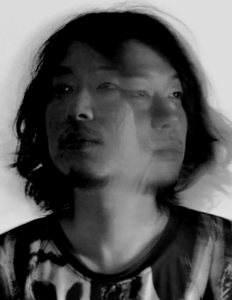
監督/撮影
小鷹 裕
Director/Cinematographer Yutaka Kotaka
人形劇という表現に挑むと聞いたとき、これはなかなかに手強いことだぞ、と思いました。
同時に、HEAVENESEさんがこの企画で進めようと言ってくださったということは、“観る側の想像力”を信じているからなのだろう、とも感じました。
であれば、その期待には応えなければならない。
人の表情や身体表現に頼れない中で、何をもって感情を伝えるのか。
今回は、いつも力を貸してくれる子どもたちの表現力にも頼れない。
うまく届かなかった場合に備えて、撮影での感情表現や演出プランもいくつか用意して現場に臨みました。
けれど撮影が進むにつれ、そうした“逃げ道”は自然と消えていきました。
人形のわずかな動き、呼吸のような間。
そこには、こちらの想像を超える感情が確かに宿っていました。
家元さんの操る車人形は、こちらの意図を受け止めながら、同時にそれを越えてくる存在でした。
気がつけば、「どう撮れば成立するか」ではなく、「何を見つめるべきか」を考えていました。
それは、素敵な役者と本に出会えた時と同じ感覚でした。
HEAVENESEの皆さんの音楽と演奏、そして「喜遊」の想いとともに、
今作は“生きている”ものだけが映し出されています。
When I heard we’d be tackling puppet theater as an expressive medium, I thought, “This is going to be quite a challenge.”
At the same time, I sensed that HEAVENESE’s willingness to pursue this project stemmed from their belief in the viewer’s imagination.
If that was the case, I had to meet those expectations.
Without relying on human facial expressions or physical performance, how could we convey emotion?
This time, I couldn’t even rely on the expressive power of the children who always lend their talents.
Preparing for the possibility of failing to convey the message, I arrived on set with several backup plans for expressing emotion through cinematography and staging.
But as filming progressed, those “escape routes” naturally vanished.
The puppets’ subtle movements, the pauses like breaths, and within them, emotions beyond my imagination truly resided.
The car puppets manipulated by the master puppeteer were beings that both received our intentions and simultaneously transcended them.
Before I knew it, I was no longer thinking about “how to make this work on camera,” but rather “what I should be looking at.”
It was the same feeling I get when I encounter a wonderful actor or a great book.
Alongside the music and performances of the HEAVENESE members, and the spirit of “Kiyu,” this work captures only that which is truly “alive.”